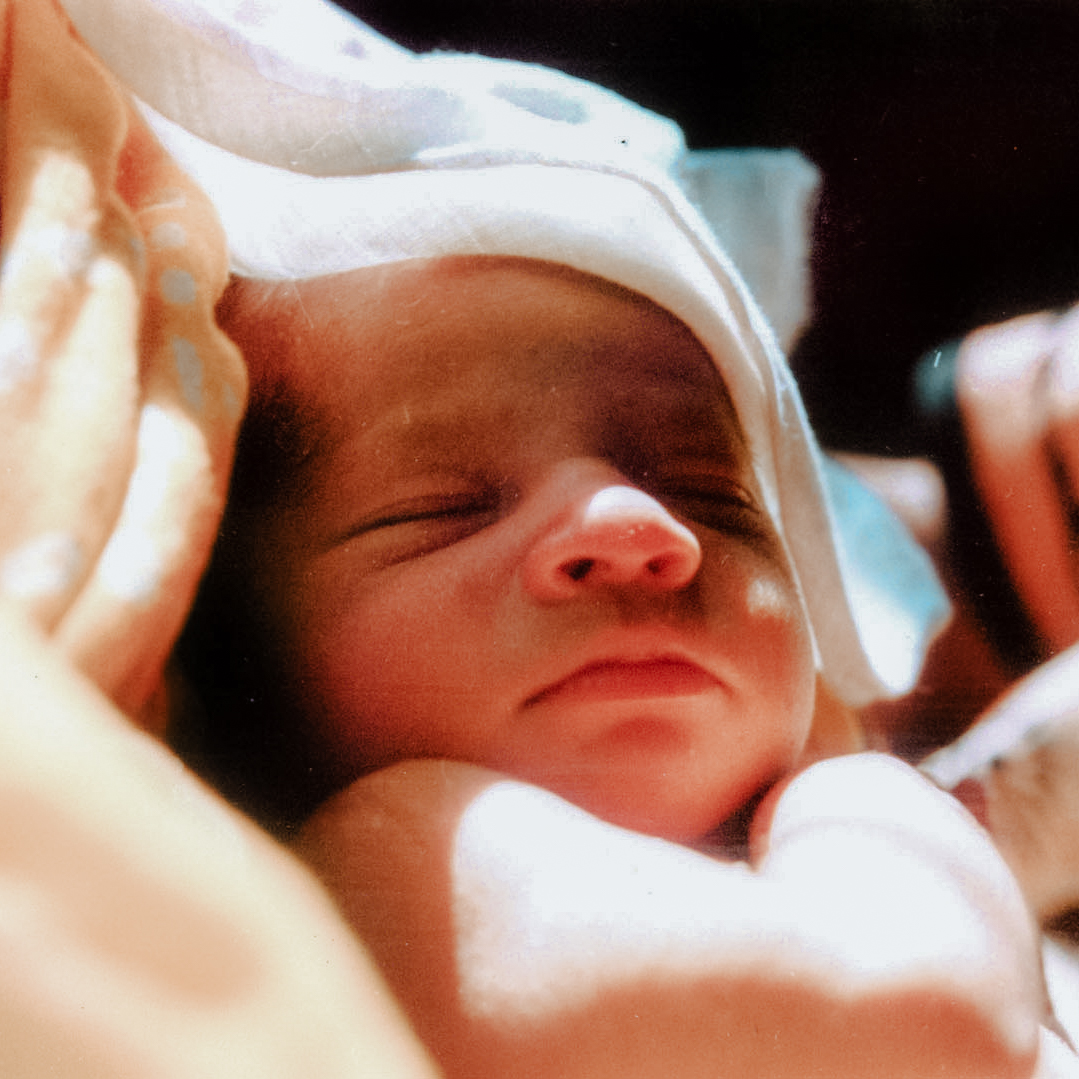
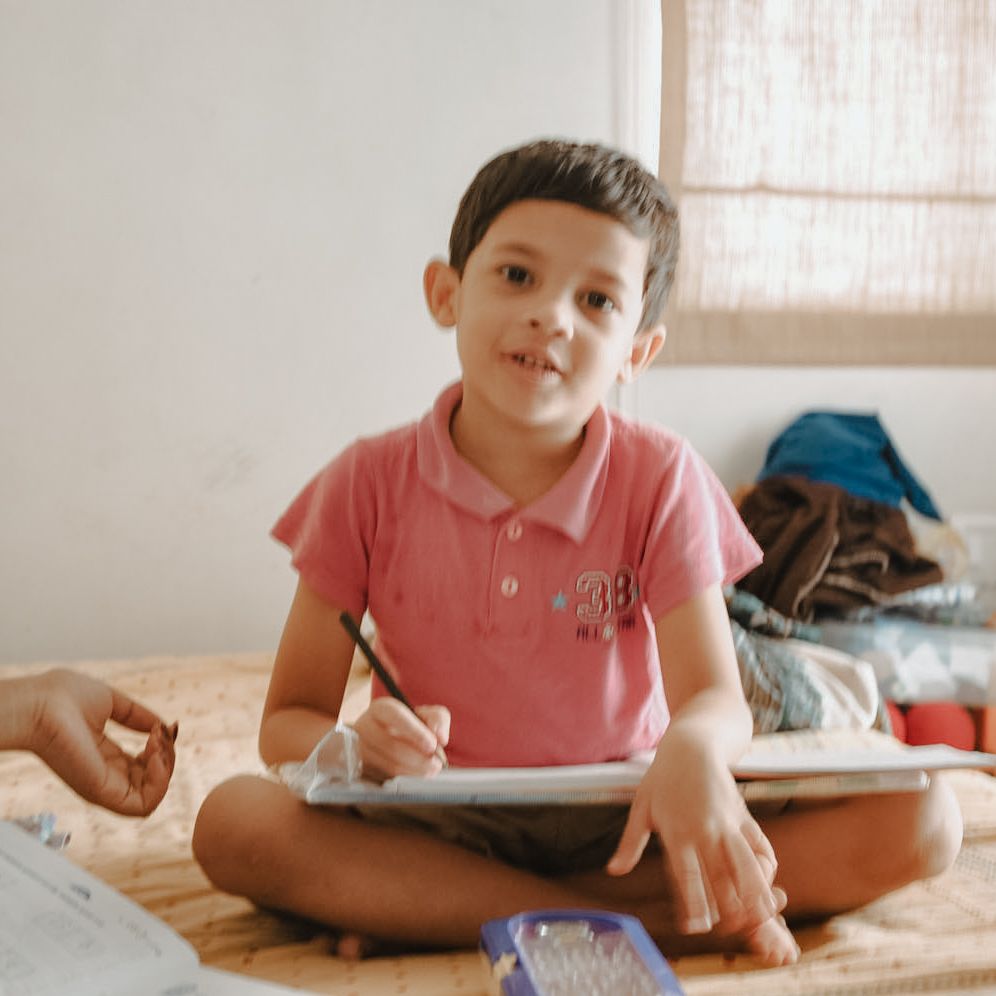
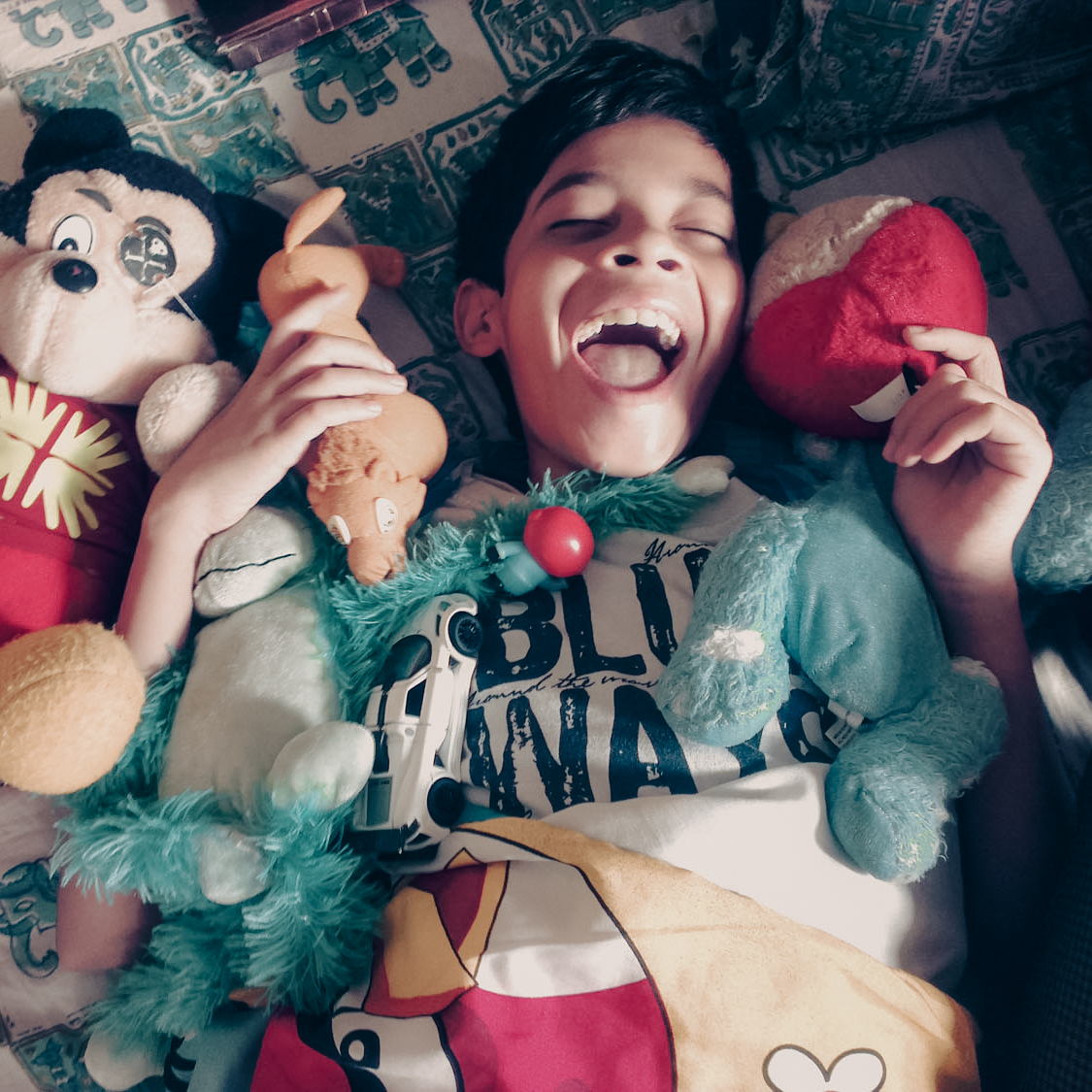
A child’s mind is often seen as the purest reflection of humanity. Yet, few realize that the nurturing of this mind begins long before birth — within the silent, sacred rhythms of a mother’s womb.
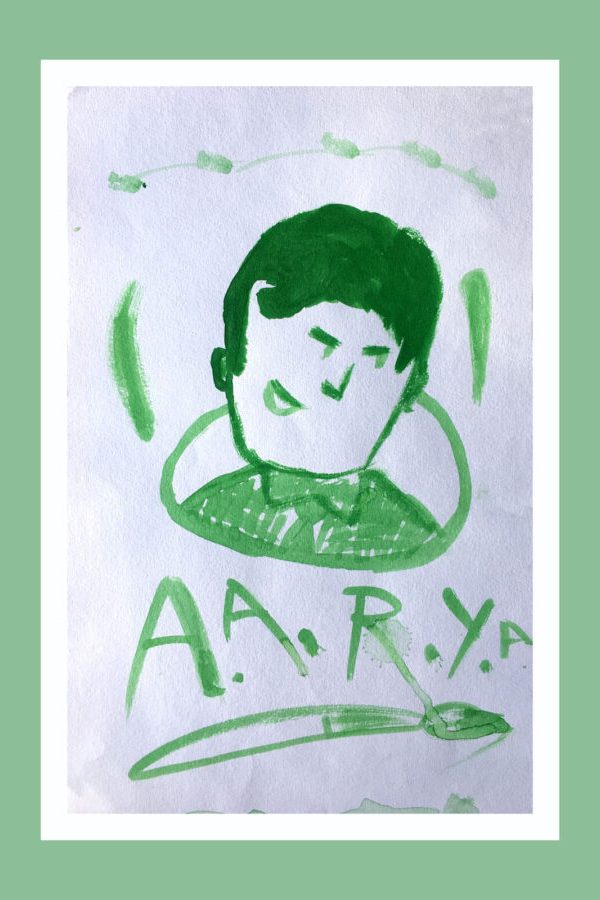
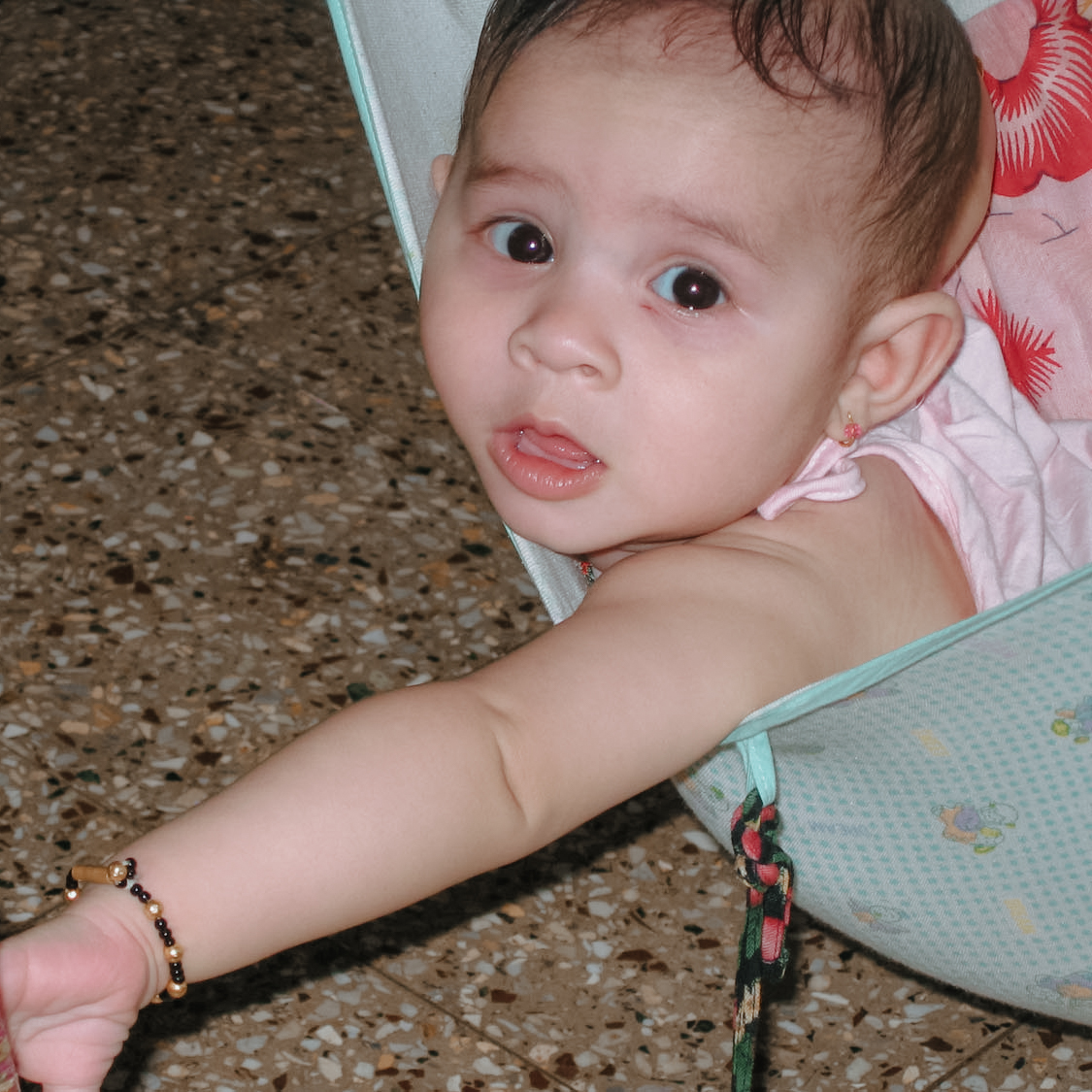
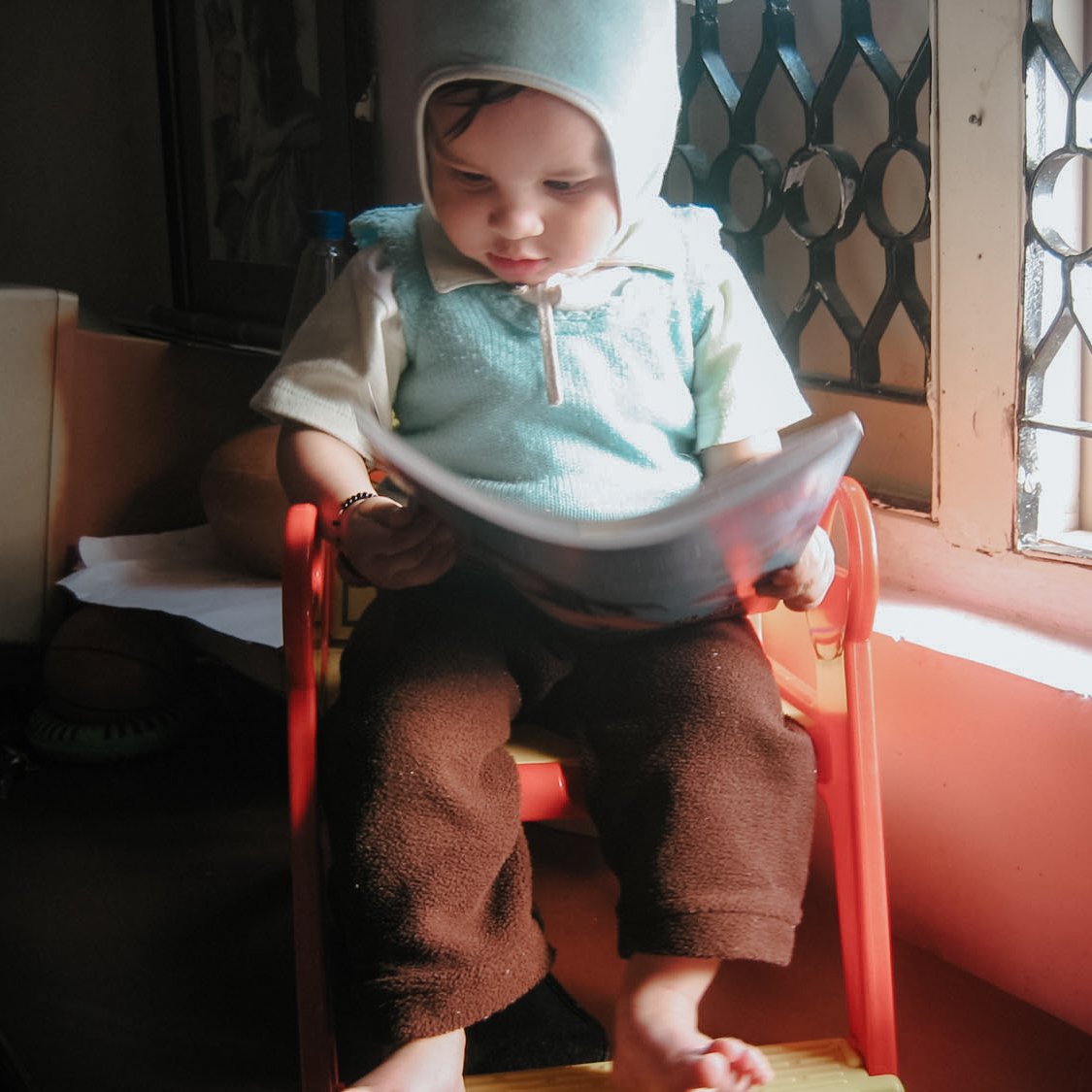
In 2026, Aarya Vadnere stands as a teenager and a budding design student, but his creative destiny seems to have been written much earlier. His story traces back to a moment more than a decade ago — when he was barely a year old. During a family dinner at a fine restaurant, little Aarya began to cry. In an attempt to comfort him, his parents handed him a pen and a piece of paper. What followed was not just the calm after tears — it was the beginning of a lifelong journey. That evening, as the infant’s scribbles filled the page, his parents perhaps witnessed the first quiet signs of an artist being born.
Those first scribbles soon outgrew the paper. As Aarya began to walk, the walls of his home became his canvas — filled with lines, forms, and figures that marked the beginning of a rare obsession that blurred the line between play and purpose. His consciousness felt guided, his technique seemed instinctive. Realism and imagination balanced each other in the seesaw of his young mind.
What makes Aarya’s early years extraordinary are the visuals he created during those untouched phases of childhood — free from external influences, dramatic emotions, or learned techniques. His drawings emerged from the purest corners of curiosity and fascination — fearless, playful, and full of wonder. They portrayed extinct creatures like dinosaurs, unimagined superheroes, and worlds that only a child’s heart could conceive. Over time, those spontaneous lines began carrying emotion — the calm and chaos, the curiosity and courage — swirling together through the strokes of his pen.
As he grew, Aarya’s art evolved — becoming more intricate, imaginative, and character-driven. His universe expanded with faces and figures he named himself; creatures that rose from his imagination to protect, play, and provoke thought. His inspiration often stemmed from everyday life — things he saw, felt, or sensed — turning subtle experiences into visual storytelling.